- •
SwapSpace helps you move assets to Flare by aggregating multiple routes, which makes cross-chain transfers easier to manage. - •
You need a Flare-compatible wallet and a small amount of FLR to use the network after your funds arrive. - •
Always review the final amount and test smaller transfers first, since routes can shift based on liquidity and network conditions.
Flare has been getting attention, especially from XRP holders who want to use their assets inside DeFi without leaving native custody, and that shift is one of the main reasons users are starting to bridge to Flare network to access yield through FAssets and early liquidity opportunities.
At the same time, Flare has been expanding its infrastructure around data feeds and interoperability, with ongoing developments around stablecoin support and cross-chain data usage, which is slowly shaping how applications are being built on the network.
Prerequisites
Before you move funds, you need to set things up properly, because most issues happen due to missing requirements rather than the bridge itself.
- You will need a wallet that supports Flare. Since Flare is EVM compatible, MetaMask or Rabby works, but if you are moving from XRPL, you will still need your original wallet on that side.
- You also need to add Flare Network manually to your wallet if it is not already configured, using the correct RPC details.
- Gas fees are paid in FLR, so your destination wallet should have a small balance ready. Without it, you will not be able to interact with contracts after bridging.
Step-by-Step Guide: Bridge to Flare via SwapSpace
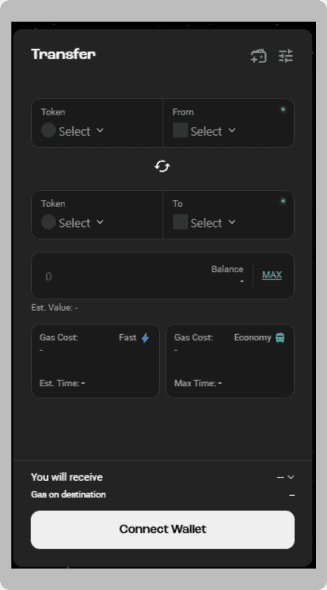
The most flexible way to bridge to Flare network is through SwapSpace. It works as an aggregator, which means it connects multiple liquidity providers and lets you move assets across chains without manually selecting routes, and that reduces friction when you are dealing with networks like XRPL and EVM together. Let’s take a look at the steps to bridge funds to Flare network using SwapSpace:
Alternative Platforms
If SwapSpace does not fit your route or asset, there are still other ways to bridge to Flare network depending on how your funds are structured and which network you are coming from.
Stargate Finance supports Flare and works well for users moving assets from EVM chains. It follows a direct transfer model, which keeps the process simpler if your funds are already on networks like Ethereum or Arbitrum, without needing additional routing steps.
Security Considerations / Troubleshooting
Bridging is not the same as a standard transfer, so small mistakes can lead to delays or confusion.
Always verify the interface you are using before connecting your wallet. Fake bridge interfaces are common and can result in loss of funds.
Check token compatibility before confirming. Some assets are wrapped versions, and selecting the wrong one can affect how they appear in your wallet.
If your funds do not show up, first confirm the transaction on the source chain. Then check if the token needs to be imported manually. Delays can also come from network finality rather than failure.
Gas issues are another common problem. If a transaction fails, it usually means the network was congested or the fee estimate was too low at the time of submission.
Final Thoughts
When you bridge to Flare network, you are moving into a network where the main value comes from how assets are used after arrival, not just the transfer itself, and that usually means starting with simple positions like stable assets or basic liquidity before moving into more complex setups like FAssets, where understanding how the system behaves under real conditions becomes more important than just getting funds across. If you are setting up your wallet for the first time or want a better understanding of how it works, you can also read our complete MetaMask review for a detailed breakdown.
FAQs
1. Can I bridge XRP directly to Flare?
Not in a standard way. You need to use Flare’s FAssets system to represent XRP as FXRP on the network.
2. What assets can I bridge to Flare?
Assets like USDT, USDC, and ETH are commonly supported, depending on the bridge you choose.
3. Do I need FLR before bridging?
You do not need it to receive funds, but you will need FLR to pay for transactions after your assets arrive.