Bitpanda is a Europe-focused crypto exchange, and its availability is limited to a defined set of supported countries. While it serves millions of users, access is restricted in many regions due to regulatory requirements and compliance policies. In this guide, we break down the latest Bitpanda restricted countries in 2026 and what users should know before signing up.
Free Bitpanda Country Checker
Wondering if your country is supported on Bitpanda? Use our free Bitpanda country checker below to find out. Simply enter your country name in English to check availability.
Bitpanda Supported Countries
Bitpanda primarily operates within Europe, along with a few additional supported regions.
Some of the supported countries include:
- Austria
- Belgium
- Bulgaria
- Croatia
- Cyprus
- Czech Republic
- Denmark
- Estonia
- Finland
- France
- Germany
- Greece
- Hungary
- Ireland
- Italy
- Latvia
- Lithuania
- Luxembourg
- Malta
- Netherlands
- Norway
- Poland
- Portugal
- Romania
- Slovakia
- Slovenia
- Spain
- Sweden
- Switzerland
- Turkey
- United Arab Emirates
Bitpanda focuses mainly on European markets, which is why availability outside these regions is limited.
Bitpanda Restricted Countries (Updated 2026)
According to the latest Bitpanda User Agreement, the platform restricts a large number of countries outside its supported regions.
Some key restricted countries include:
- Afghanistan
- Albania
- Algeria
- American Samoa
- Angola
- Anguilla
- Antigua and Barbuda
- Argentina
- Armenia
- Aruba
- Australia
- Azerbaijan
- Bahamas
- Bahrain
- Bangladesh
- Barbados
- Belarus
- Belize
- Benin
- Bermuda
- Bhutan
- Bolivia
- Bonaire
- Bosnia and Herzegovina
- Botswana
- Brazil
- British Virgin Islands
- Brunei
- Burkina Faso
- Burundi
- Cambodia
- Cameroon
- Canada
- Cape Verde
- Cayman Islands
- Central African Republic
- Chad
- Chile
- China
- Colombia
- Comoros
- Congo
- Costa Rica
- Cuba
- Curaçao
- Democratic Republic of the Congo
- Djibouti
- Dominica
- Dominican Republic
- Ecuador
- Egypt
- El Salvador
- Equatorial Guinea
- Eritrea
- Eswatini
- Ethiopia
- Fiji
- French Guiana
- French Polynesia
- Gabon
- Gambia
- Georgia
- Ghana
- Gibraltar
- Grenada
- Guam
- Guatemala
- Guinea
- Guinea-Bissau
- Guyana
- Haiti
- Honduras
- Hong Kong
- India
- Indonesia
- Iran
- Iraq
- Israel
- Jamaica
- Japan
- Jordan
- Kazakhstan
- Kenya
- Kiribati
- Kosovo
- Kuwait
- Kyrgyzstan
- Laos
- Lebanon
- Lesotho
- Liberia
- Libya
- Macau
- Madagascar
- Malawi
- Malaysia
- Maldives
- Mali
- Marshall Islands
- Martinique
- Mauritania
- Mauritius
- Mayotte
- Mexico
- Micronesia
- Moldova
- Mongolia
- Montenegro
- Montserrat
- Morocco
- Mozambique
- Namibia
- Nauru
- Nepal
- New Caledonia
- New Zealand
- Nicaragua
- Niger
- Nigeria
- Niue
- North Korea
- North Macedonia
- Oman
- Pakistan
- Palau
- Palestine
- Panama
- Papua New Guinea
- Paraguay
- Peru
- Philippines
- Pitcairn Islands
- Puerto Rico
- Qatar
- Russia
- Rwanda
- Saint Barthélemy
- Saint Helena
- Saint Kitts and Nevis
- Saint Lucia
- Saint Martin
- Saint Pierre and Miquelon
- Saint Vincent and the Grenadines
- Samoa
- São Tomé and Príncipe
- Saudi Arabia
- Senegal
- Seychelles
- Sierra Leone
- Singapore
- Sint Maarten
- Solomon Islands
- Somalia
- South Africa
- South Korea
- South Sudan
- Sri Lanka
- Sudan
- Suriname
- Syria
- Taiwan
- Tajikistan
- Tanzania
- Thailand
- Timor-Leste
- Togo
- Tonga
- Trinidad and Tobago
- Tunisia
- Turkmenistan
- Tuvalu
- Uganda
- Ukraine
- United Arab Emirates
- United States
- Uruguay
- Uzbekistan
- Vanuatu
- Venezuela
- Vietnam
- Wallis and Futuna
- Western Sahara
- Yemen
- Zambia
- Zimbabwe
In addition to the above, Bitpanda restricts many other countries across Asia, Africa, and the Americas. In general, if your country is not listed in the supported section, it is likely restricted.
Is Bitpanda Regulated & Licensed?
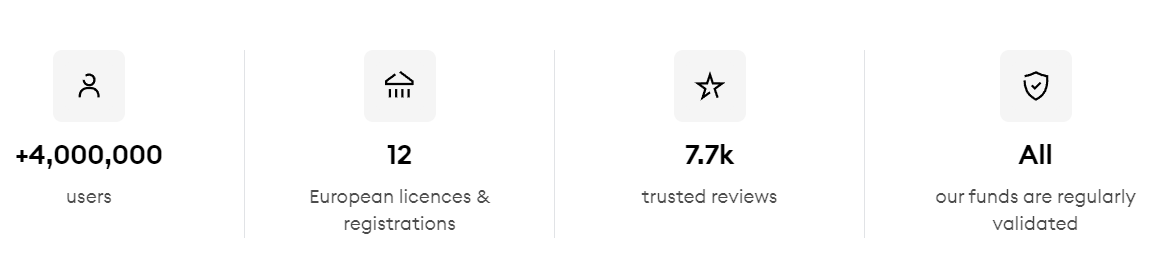
Bitpanda is a regulated crypto exchange operating within European frameworks.
- It operates under MiFID II regulations
- It is registered as an Electronic Money Institution (EMI)
- It holds multiple Virtual Asset Service Provider (VASP) registrations across Europe, including in Austria, France, Spain, Italy, and Sweden
These registrations allow Bitpanda to operate within strict European compliance standards.
Does Bitpanda Require KYC?
Yes, Bitpanda requires full identity verification before users can access its services.
To complete KYC, users must provide:
- Government-issued ID (passport, driver’s license, or national ID)
- Proof of address (bank statement or utility bill)
- Facial verification (selfie)
Without verification, users cannot deposit, trade, or withdraw funds.
Bottom Line
Bitpanda is a regulated exchange with a strong focus on European markets, which is why its availability is limited compared to global platforms. It supports a defined list of countries and restricts access in most regions outside Europe.
If you are located in a supported country, Bitpanda offers a compliant and reliable trading environment. However, users in restricted regions will not be able to access the platform, as availability depends entirely on country eligibility and identity verification.
FAQs
1. Is Bitpanda available in the United States?
No, Bitpanda is not available in the United States.
2. Is Bitpanda available in Canada?
No, Bitpanda is not available in Canada.
3. Is Bitpanda available in the United Kingdom?
Bitpanda is currently not available in the United Kingdom, as services have been restricted due to regulatory requirements.
4. Can I use Bitpanda with a VPN?
Using a VPN does not bypass Bitpanda’s restrictions. Even if you access the platform, identity verification is required. If your country is not supported, you will not be able to complete KYC or use the platform.