- •
Bridging to TRON is mainly driven by USDT settlement demand, lower transaction costs, and predictable confirmation times. - •
DeFiWay provides a direct, multi-chain path to move assets to TRON without manual routing or complex aggregators. - •
Keeping TRX available for gas and verifying wallet connections helps avoid delays and post-bridge transaction issues.
Tron Network keeps attracting users who rely on stablecoin settlements, on-chain transfers, and applications where transaction cost matters more than experimentation. Much of the recent flow into TRON comes from traders and operators moving USDT liquidity to a network that prioritizes predictable fees and fast confirmation times.
The network has also stayed active on the infrastructure side. TRON has signaled further expansion of its stablecoin tooling and settlement rails, reinforcing its role as a payment-focused chain rather than a general-purpose playground. That context explains why many users are looking to Bridge to Tron Network instead of holding assets idle on higher-fee chains.
Prerequisites
Before you Bridge to Tron Network, make sure the following conditions are met. You need a Web3 wallet compatible with the source network, such as MetaMask for EVM chains. For receiving assets on TRON, a dedicated Tron wallet like TronLink is required. Both wallets must be connected and functional before initiating the bridge.
The source wallet must hold enough native tokens to cover gas fees on the originating network. On the TRON side, TRX is required to pay transaction fees once the assets arrive. You can acquire TRX for gas fees on BloFin. Only TRC20-compatible assets can be used on TRON.
Step-by-Step Guide: Bridge to Tron Network via DeFiWay
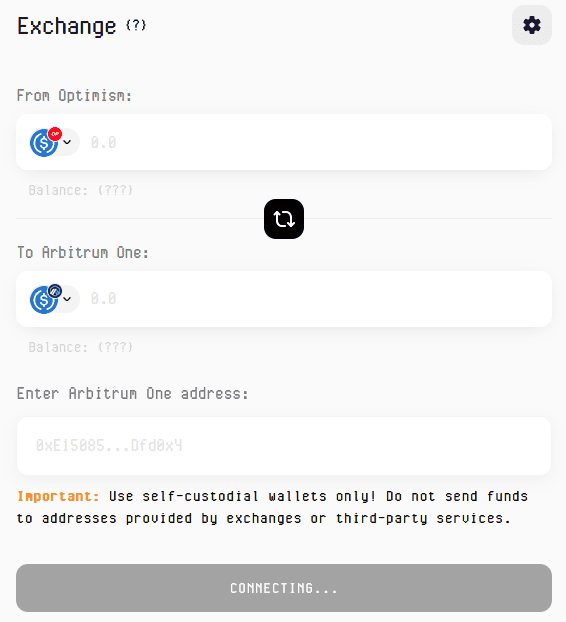
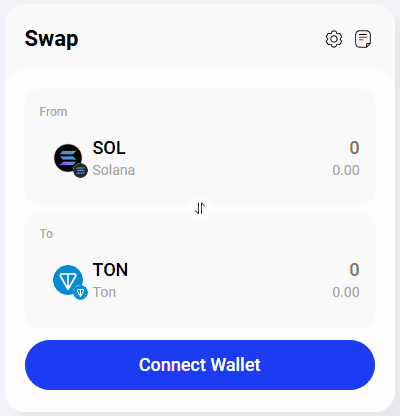
DeFiWay is the primary option covered here because it supports multiple source networks and connects directly to TRON without forcing manual routing. For users who want to Bridge to Tron Network without juggling separate tools, this workflow is practical.
Alternative Platforms
While DeFiWay covers most standard bridging needs to TRON, some users may require broader routing options or support for less common source networks. In those cases, alternative bridge solutions can help Bridge to Tron Network through different liquidity paths, though often with added complexity or fees.
Symbiosis
Symbiosis functions as a cross-chain liquidity protocol rather than a direct bridge interface. It supports routing assets across multiple chains and can reach TRON through optimized paths, though the process involves more intermediate steps than DeFiWay.
Rango Exchange
Rango Exchange acts as a route aggregator, scanning multiple bridges to find a viable path to TRON. It is useful when bridging from less common networks, but added routing layers can introduce extra fees and longer settlement times.
Choosing the Right Bridge for Transfers to Tron Network
Transferring assets to the Tron Network requires selecting a bridge that matches your source chain, asset type, and risk tolerance. While most established bridges are functional, evaluating a few core factors helps reduce execution errors and unexpected costs.
- Security: Review the bridge’s audit history, documentation, and track record. Preference should be given to bridges with transparent disclosures and long-term operational history.
- Network Support: Confirm that the bridge supports your source network and Tron as the destination, along with the specific token you plan to transfer.
- Fees and Liquidity: Compare total transaction costs and available liquidity. Low liquidity can increase delays or cause unfavorable execution outcomes.
- User Experience: A clear interface and predictable confirmation flow reduce the chance of address errors or stalled transactions during cross-chain transfers.
Bottom Line
Most users moving assets to TRON are optimizing for cost control and reliability rather than speculation. Bridging is rarely the end goal. It is usually a step toward stablecoin operations, on-chain payments, or treasury management inside the TRON ecosystem.
Using a tool like DeFiWay keeps that transition controlled and transparent. Once funds are on TRON, the next decisions revolve around how actively you plan to deploy them, not how to move them again.
FAQs
1. How long does it take to bridge via DeFiWay?
Transfers typically complete within minutes, depending on source network congestion.
2. Do I need TRX before bridging?
TRX is not required to start the bridge, but it is needed to use funds after arrival.
3. Can I Bridge to Tron Network from non-EVM chains?
Yes. DeFiWay supports several non-EVM sources, making it flexible for cross-chain transfers.